
The Social Reckoning (2026) review: A Hollow Sequel That Dodges the Point

A Missed Opportunity for Meaningful Cinema
Congratulations to David Fincher for somehow dodging this one. Writing this The Social Reckoning review feels like reflecting on a genuine disappointment from a legendary auteur. This movie tells us absolutely nothing we don’t already know about corporate corruption, algorithms, and digital power.
It feels like a real insult to investigative journalism and to the courageous people who risk their lives, careers, and personal integrity every day just to uncover the truth. What a colossal missed opportunity to create something genuinely compelling, sharp, and meaningful on the big screen.
Watching the story stumble along is a frustrating reminder that a critically successful movie doesn’t automatically need a sequel. The narrative lacks any real teeth or new perspective, choosing to retread familiar outrage without adding a single layer of depth. To make matters worse, Jeremy Irons is downright awful here, delivering a surprisingly flat and uninspired performance that drags down every scene he enters.
The Social Reckoning Review: Retreading Old Controversies
The plot of The Social Reckoning attempts to pick up years after original events, following a group of journalists and whistleblowers trying to pull back the curtain on modern data harvesting. Instead of taking viewers deep inside a tense, high-stakes thriller, the story relies on dramatic boardrooms, heavy-handed dialogue, and outdated revelations that feel like news from a decade ago.
Fincher’s signature visual style—sharp digital lighting, moody colors, and cold framing—is present throughout the film, but it feels completely devoid of the kinetic energy that defined his earlier classics. The direction feels strangely distant, treating complex technological and ethical questions like routine checklist items rather than high-stakes human dilemmas.
Furthermore, the script struggles to create compelling dramatic friction. Characters spend vast amounts of screen time explaining technical mechanisms in dialogue rather than driving the plot through action or internal conflict. This reliance on heavy exposition slows the narrative momentum to a crawl, leaving key dramatic reveals feeling surprisingly hollow.

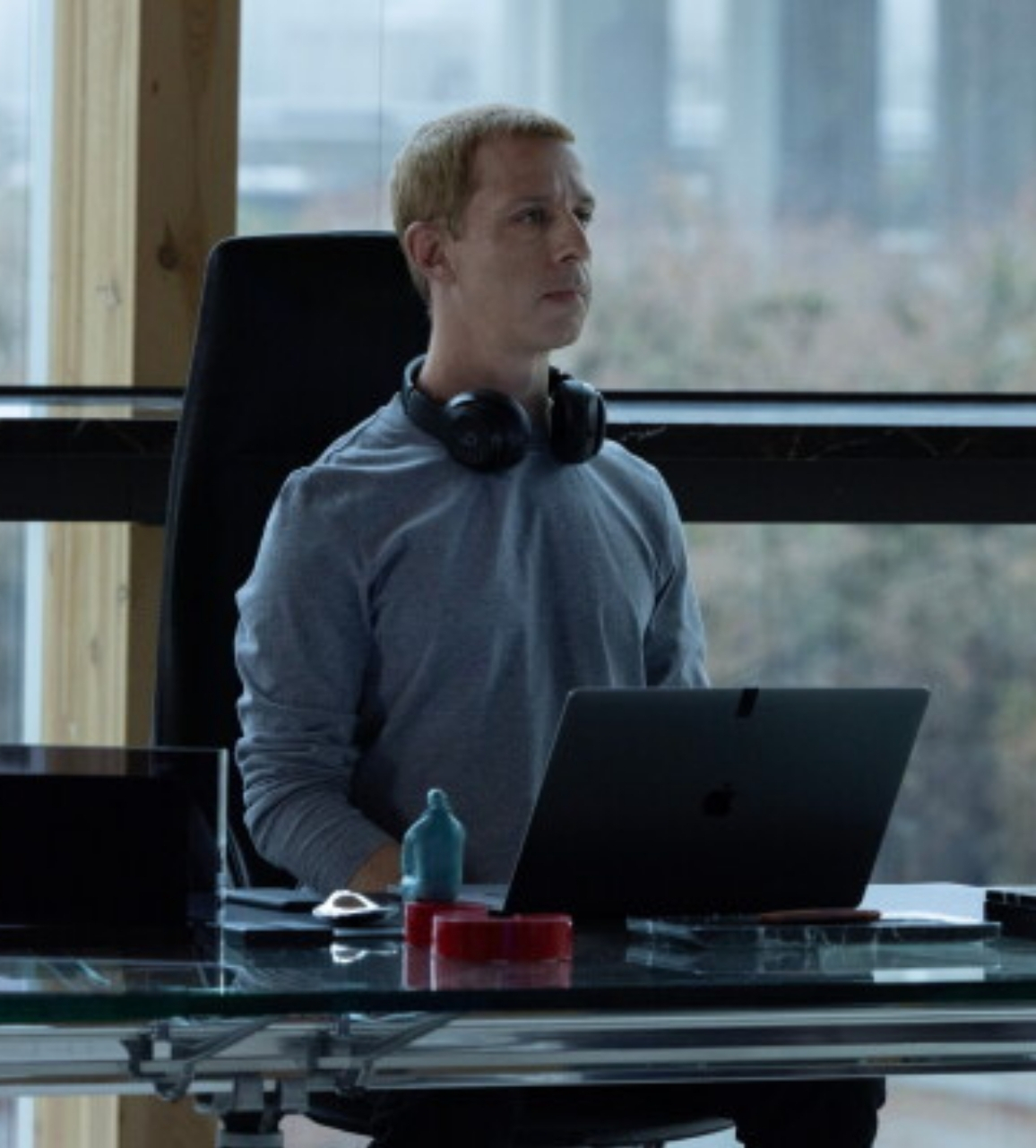
A Disappointing Drama That Misses the Mark
Even the supporting cast struggles to breathe life into a script that feels thoroughly uninterested in taking real creative risks. The pacing stumbles frequently between long-winded technical explanations and weak dramatic confrontations that fail to generate any real tension or emotional payoff for the audience.
The film’s unwillingness to take a firm stance on its central themes makes the resolution feel unearned. By aiming for broad corporate commentary without honing in on personal consequences, the narrative loses its emotional core before reaching the third act.
Ultimately, The Social Reckoning is an unnecessary follow-up that trades genuine journalistic weight for empty aesthetic slickness. It lands as a shallow entry that fails to justify its existence, proving that even top-tier filmmakers can lose their grip on a story when the script lacks purpose.
Films to Films
Films to Films is an independent film publication dedicated to celebrating cinema through movie reviews, film history, box office coverage, and curated recommendations. Discover the stories, performances, and films that make cinema unforgettable.