Essential Classics: Timeless Masterpieces That Shaped Cinema

Discover some timeless masterpieces of world cinema that defined the art form, influenced modern filmmakers, and shaped global screen culture.

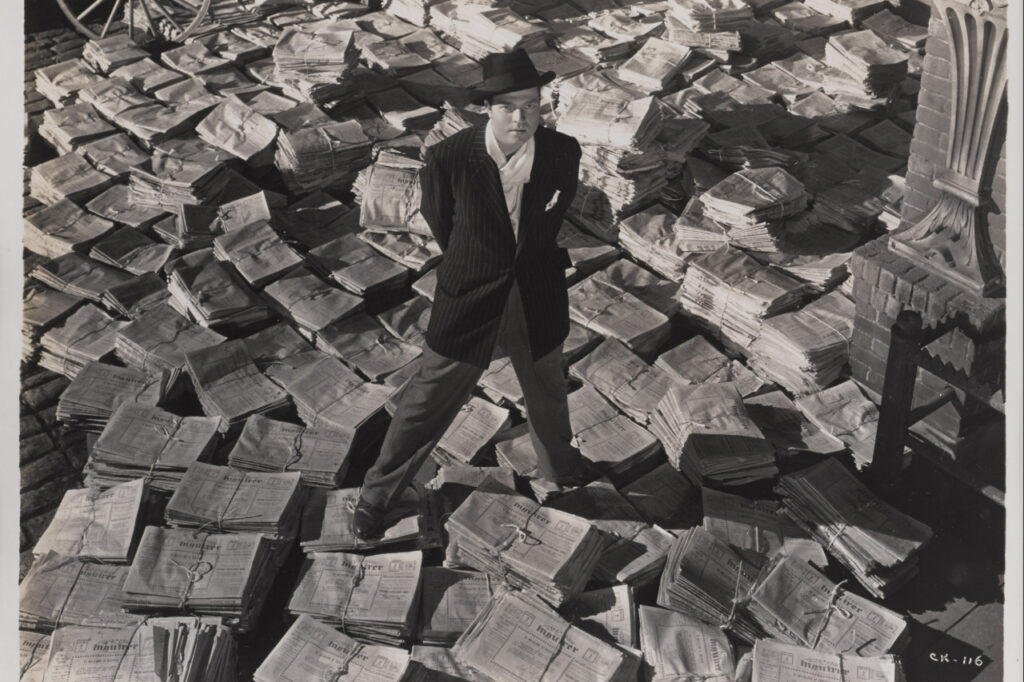
Citizen Kane (1941)

  • Director: Orson Welles

  • The Pitch: Newspaper reporters investigate the dying words (“Rosebud”) of publishing tycoon Charles Foster Kane.

  • Why It’s Essential: Deep-focus cinematography, non-linear narrative structure, ceiling sets, and radical expressionist shadows.

1
2

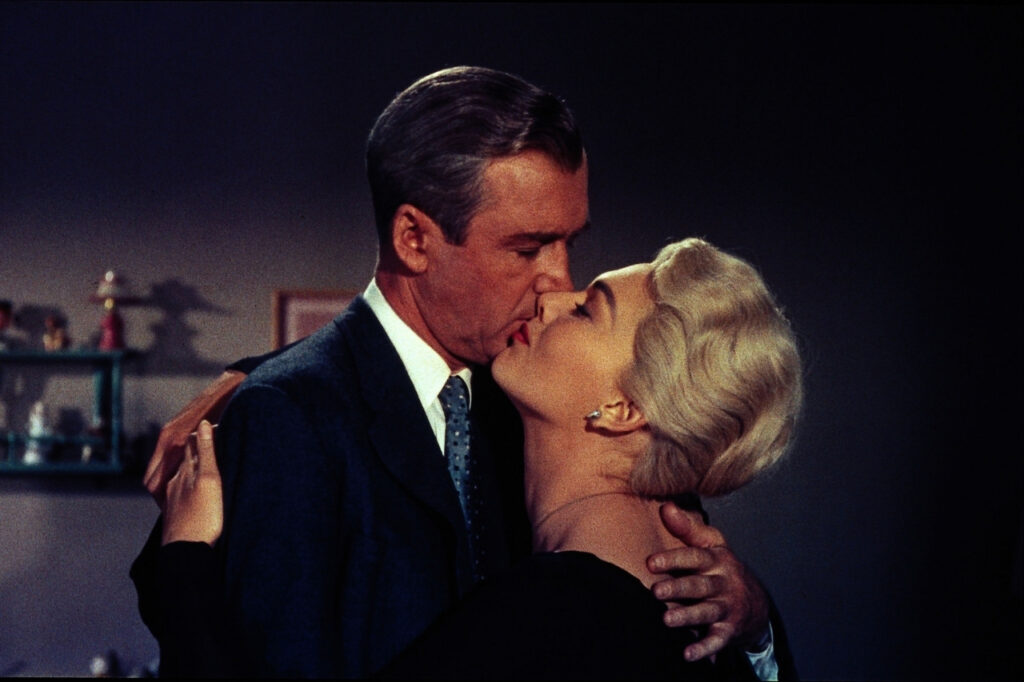
Vertigo (1958)

  • Director: Alfred Hitchcock

  • The Pitch: A retired San Francisco detective with acrophobia is hired to tail an old friend’s wife possessed by a past identity.

  • Why It’s Essential: The invention of the dolly-zoom, subjective psychological tracking, and a haunting meditation on obsession.

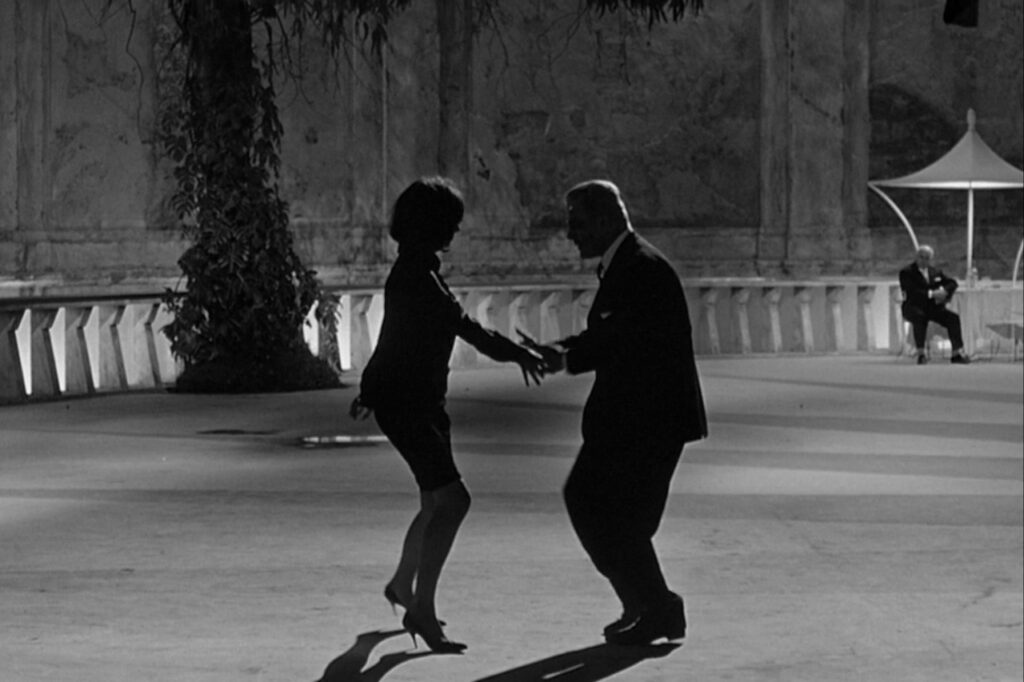
8½ (Otto e mezzo, 1963)

  • Director: Federico Fellini

  • The Pitch: A blocked film director escapes into memories, fantasies, and artistic paralysis at an Italian thermal spa.

  • Why It’s Essential: The ultimate cinematic self-reflexive masterpiece, blending dream logic with high-art satire.

3
5

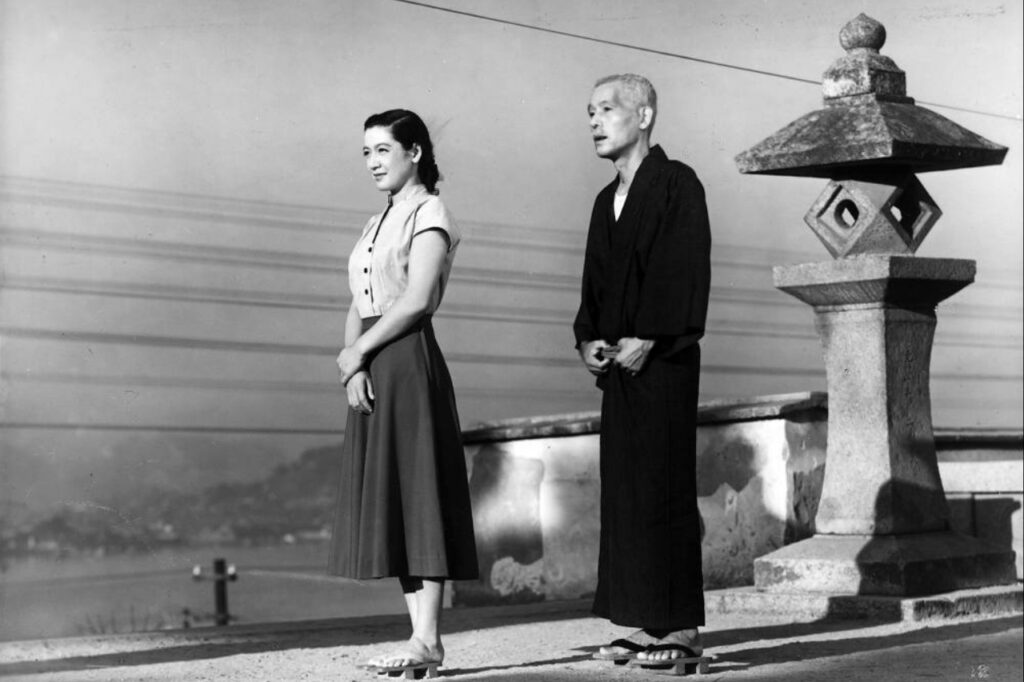
Tokyo Story (Tōkyō monogatari, 1953)

  • Director: Yasujirō Ozu

  • The Pitch: An aging rural couple travels to Tokyo to visit their busy adult children, only to encounter polite emotional detachment.

  • Why It’s Essential: Tatami-shot low camera angles, static frames, and the quiet crushing weight of generational drift.

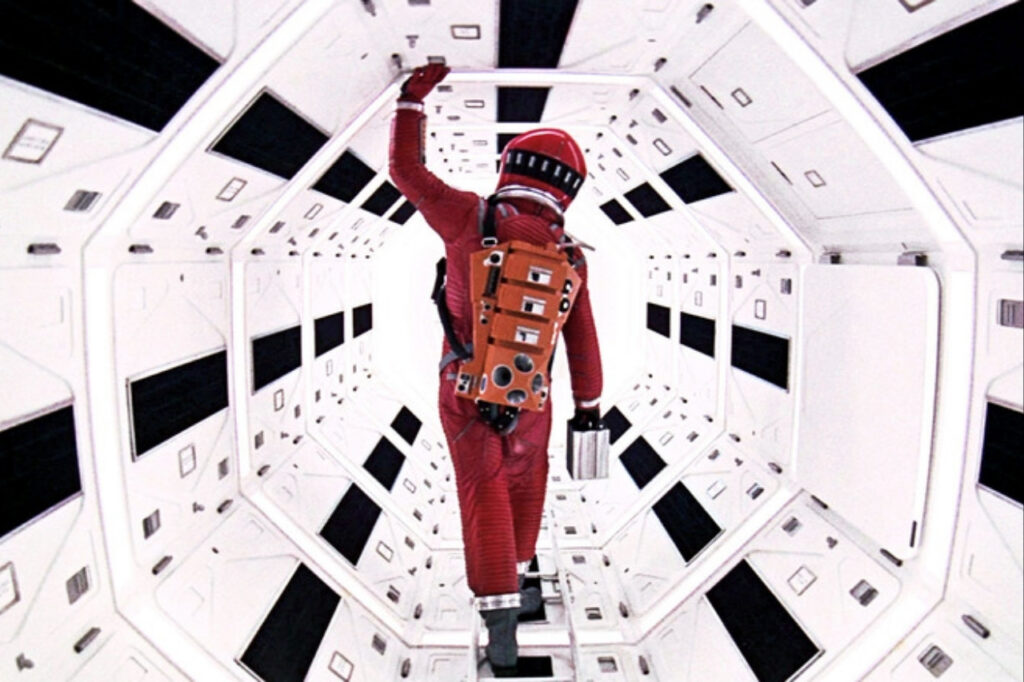
2001: A Space Odyssey (1968)

  • Director: Stanley Kubrick

  • The Pitch: A spacecraft crew investigates a mysterious monolith embedded near Jupiter, guided by a sentient computer named HAL 9000.

  • Why It’s Essential: Revolutionary practical special effects, philosophical existentialism, and visual-first storytelling.

4
6

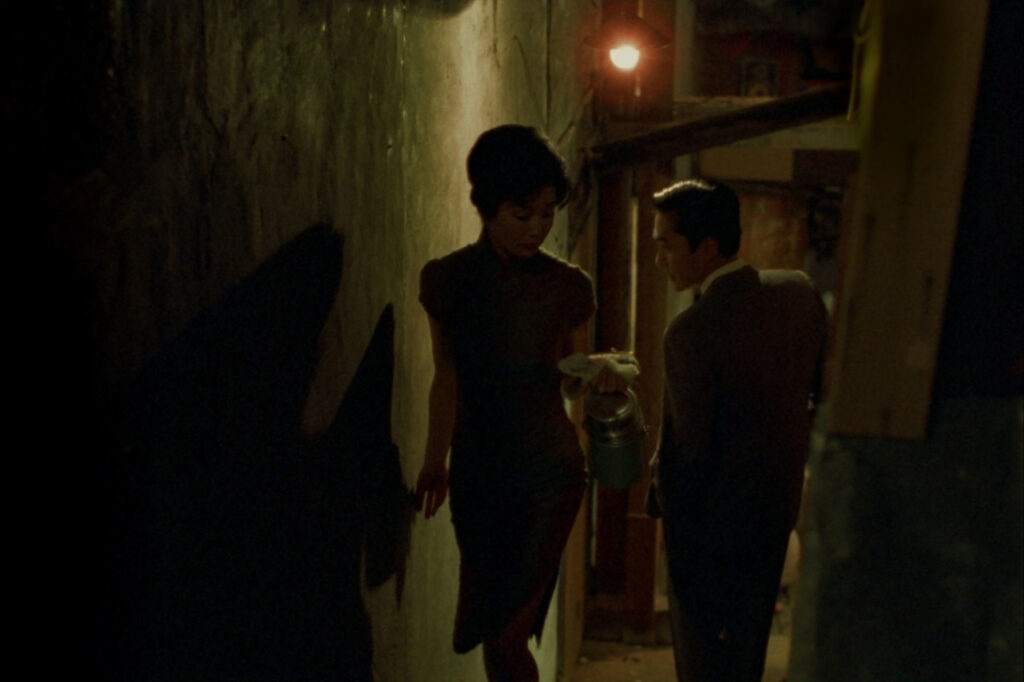
In the Mood for Love (Fāyèung Niánw华, 2000)

  • Director: Wong Kar-wai

  • The Pitch: Two neighbors in 1960s Hong Kong discover their spouses are having an affair, leading to a restrained, unrequited romance.

  • Why It’s Essential: Luminous step-printing camera work, rich crimson cheongsam palettes, and exquisite sensory longing.

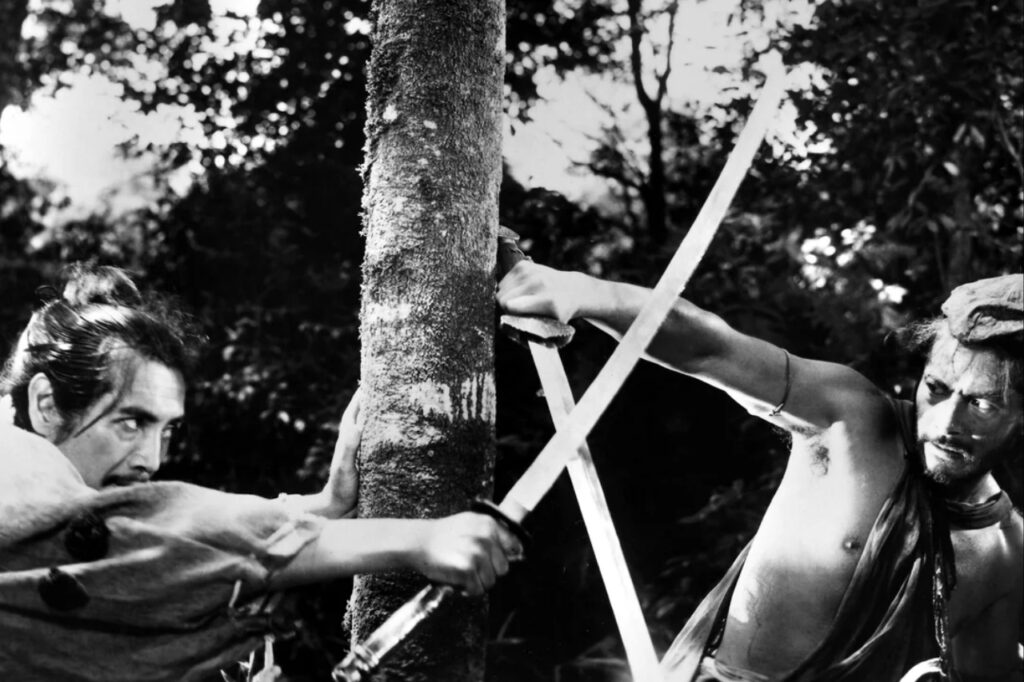
Rashomon (1950)

  • Director: Akira Kurosawa

  • The Pitch: A heinous crime in a forest is recounted through four completely contradictory eyewitness testimonies.

  • Why It’s Essential: Explores the elusiveness of subjective truth, shifting perspectives, and the core unreliability of human memory.

8
7

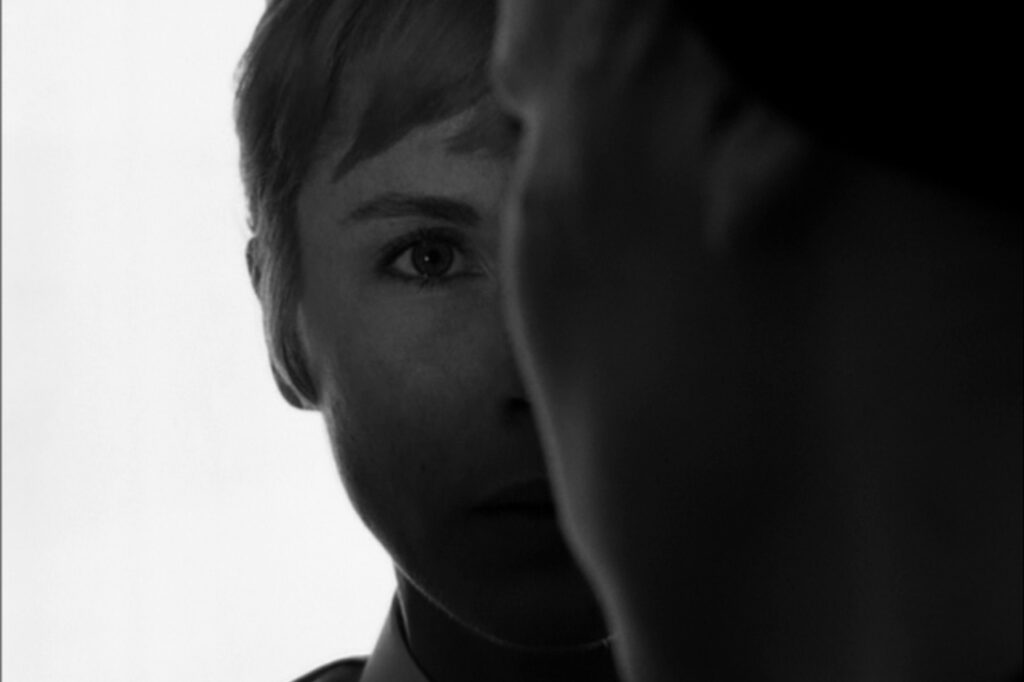
Persona (1966)

  • Director: Ingmar Bergman

  • The Pitch: A mute stage actress and the young nurse caring for her on an isolated island slowly experience a psychological merging of identities.

  • Why It’s Essential: Striking stark close-ups, avant-garde framing, and psychoanalytical terror of the self.

Seven Samurai (Shichinin no Samurai, 1954)

  • Director: Akira Kurosawa

  • The Pitch: A poor farming village hires seven masterless ronin to protect their autumn harvest from ruthless bandits.

  • Why It’s Essential: Invented the “assembling a team” trope, unmatched battle choreography, and deep social stratification.

8
9

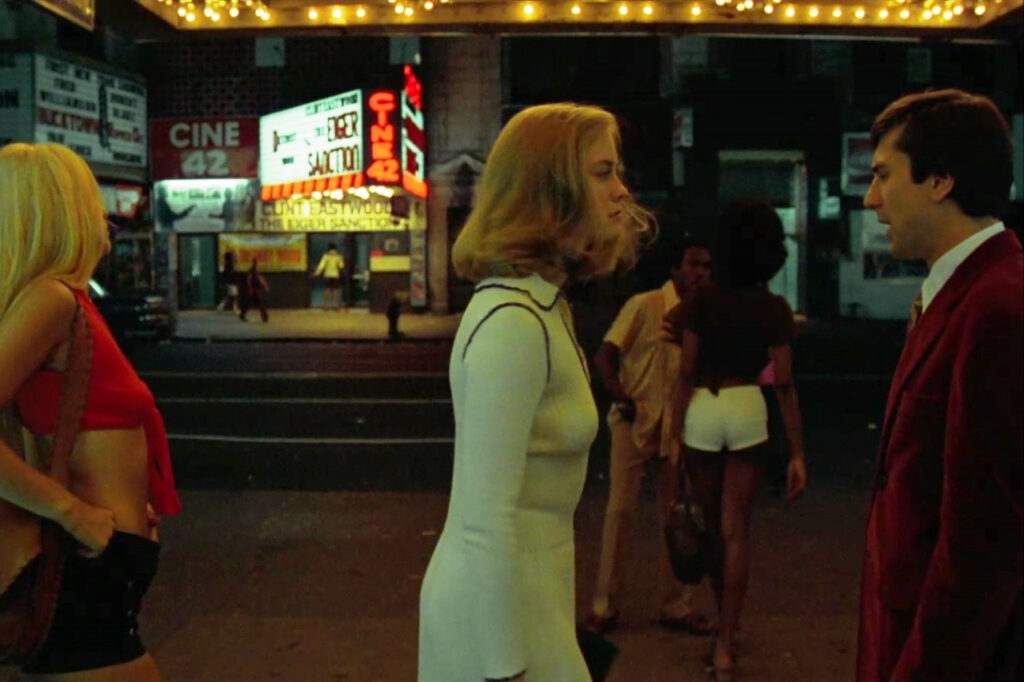
Taxi Driver (1976)

  • Director: Martin Scorsese

  • The Pitch: An insomniac Vietnam veteran hacks a cab through grease-slicked, neon-drenched 1970s New York City, descending into violent vigilantism.

  • Why It’s Essential: Bernard Herrmann’s tense jazz score, subjective tracking shots, and raw urban alienation.

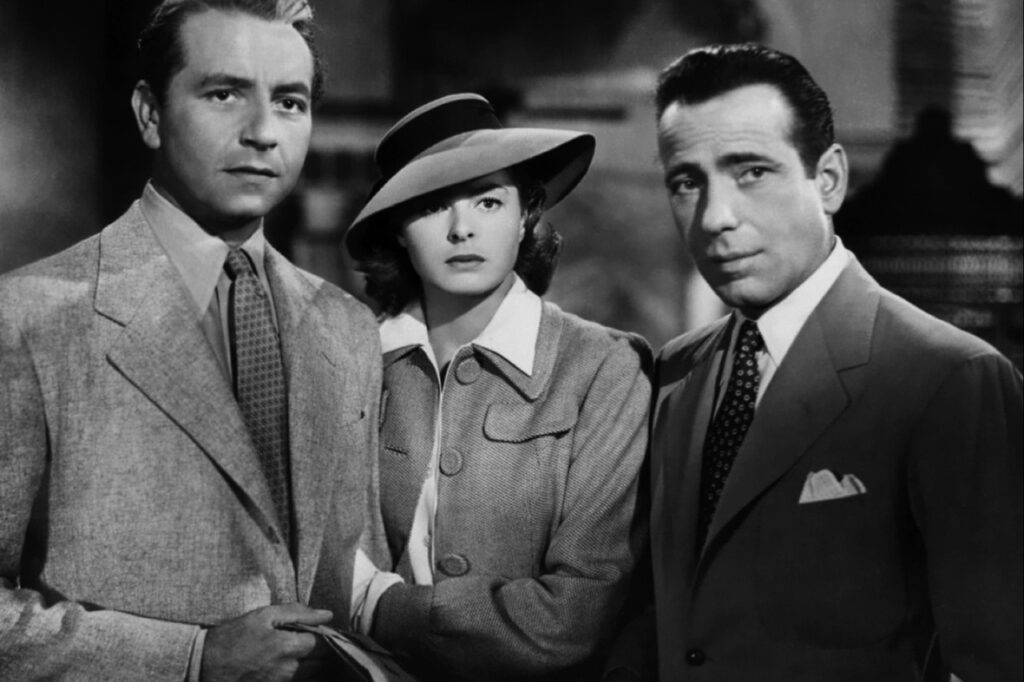
Casablanca (1942)

  • Director: Michael Curtiz

  • The Pitch: A cynical American nightclub owner in Vichy-controlled Morocco must choose between his love for a former flame and helping her resistance-leader husband escape.

  • Why It’s Essential: Golden-age Hollywood screenwriting perfection, immortal quotes, and wartime romantic fatalism.

10
11

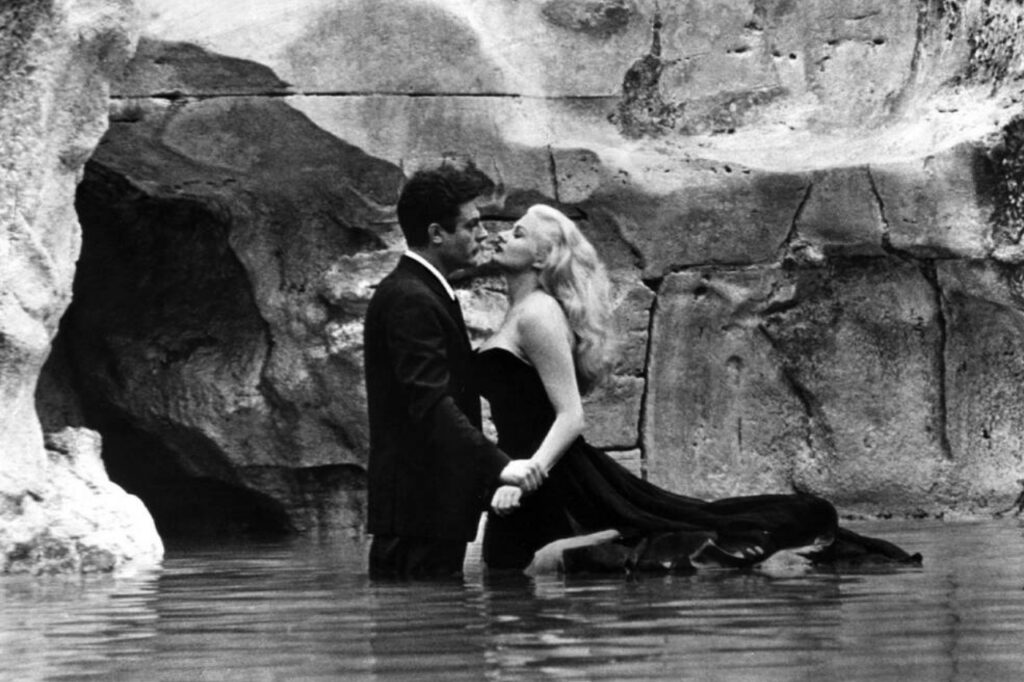
La Dolce Vita (1960)

  • Director: Federico Fellini

  • The Pitch: A cynical tabloid journalist drifts through elite Roman high society, searching for meaning across seven decadent days.

  • Why It’s Essential: Iconic Via Veneto sequences, existential modern vacuum, and stunning high-contrast compositions.

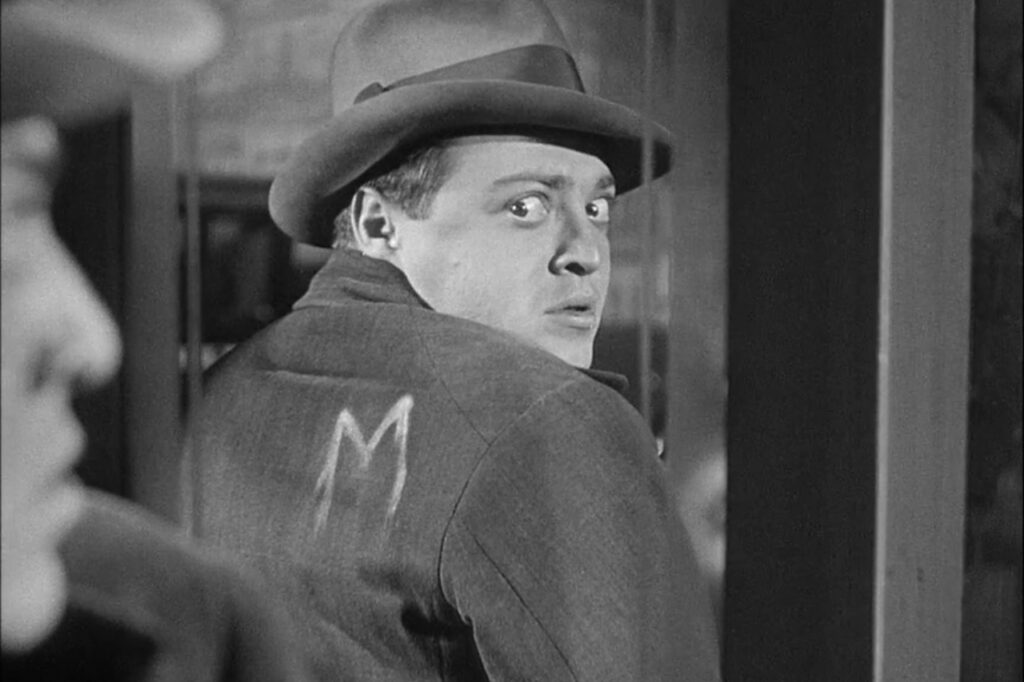
M (1931)

  • Director: Fritz Lang

  • The Pitch: Berlin the underworld joins forces with police to hunt down a notorious child murderer whose crimes terrify the city.

  • Why It’s Essential: Early integration of sound motifs (the whistling leitmotif), expressionist shadows, and moral panic.

12
13

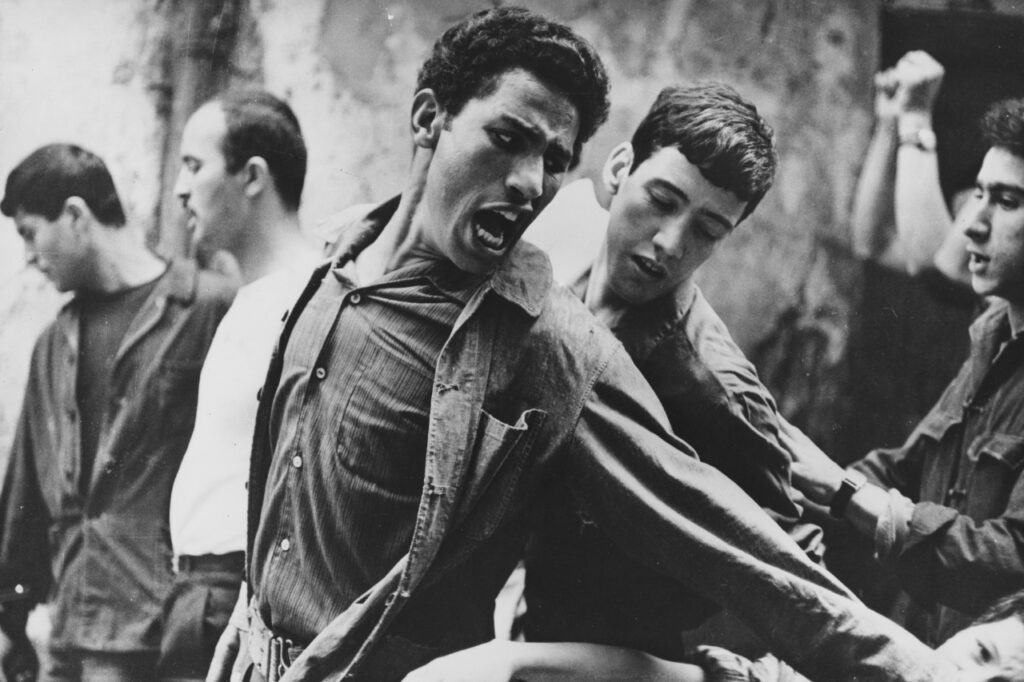
The Battle of Algiers (La Bataille d'Alger, 1966)

  • Director: Gillo Pontecorvo

  • The Pitch: Algerian nationalists fight colonial French rule in the Casbah through urban guerrilla warfare and counter-insurgency tactics.

  • Why It’s Essential: Newsreel-style documentary verité, Ennio Morricone’s driving percussion, and geopolitical tension.

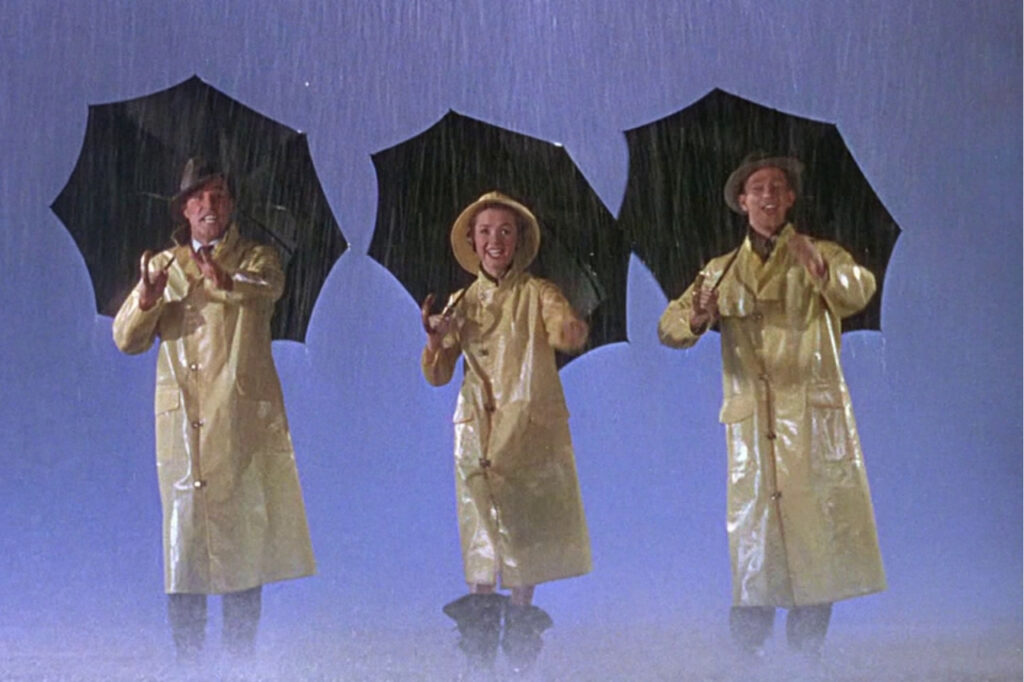
Singin' in the Rain (1952)

  • Director: Stanley Donen & Gene Kelly

  • The Pitch: Hollywood silent-film stars navigate the stressful technical and vocal transition to talking pictures in 1927.

  • Why It’s Essential: Subverts studio meta-commentary while delivering peerless physical choreography and Technicolor joy.

14
15

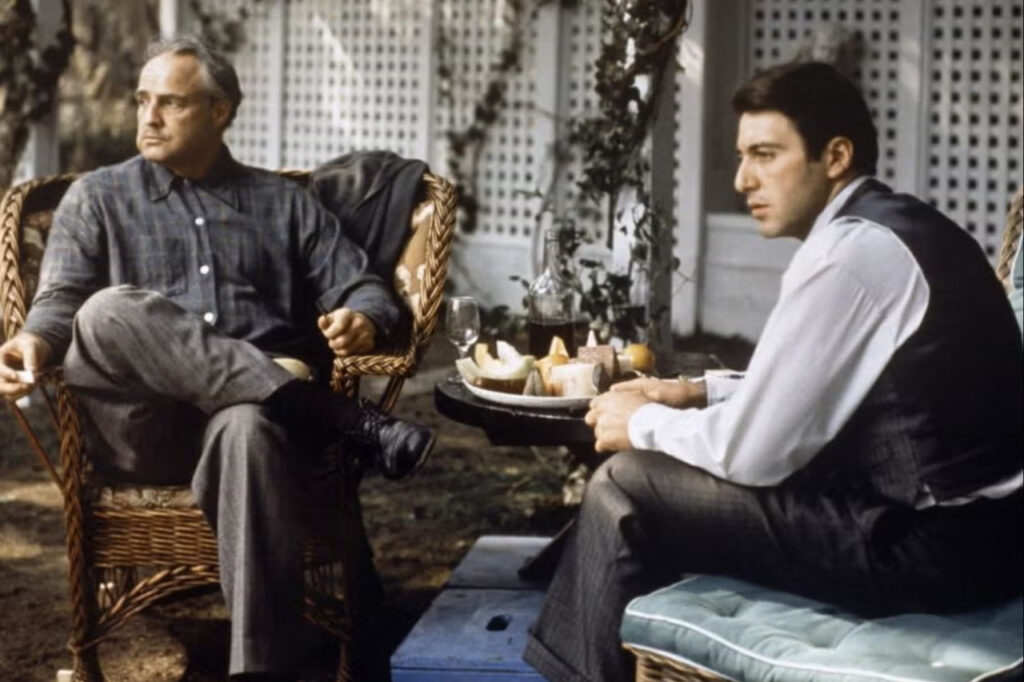
The Godfather (1972)

  • Director: Francis Ford Coppola

  • The Pitch: The aging patriarch of an organized crime dynasty transfers control of his clandestine empire to his reluctant youngest son.

  • Why It’s Essential: Gordon Willis’s low-key amber cinematography, operatic family dynamics, and institutional corruption mapping.

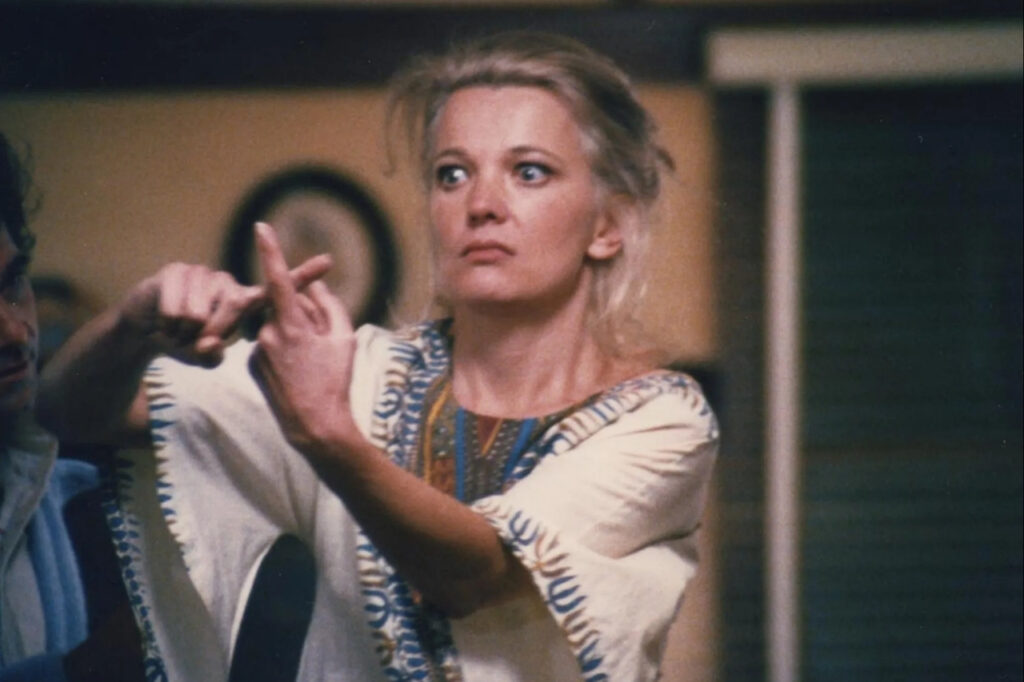
A Woman Under the Influence (1974)

  • Director: Sean Baker

  • The Pitch: An Uzbek-American sex worker in Brooklyn marries the impulsive son of a Russian oligarch, triggering a chaotic family intervention.

  • Why It’s Essential: High-octane emotional whiplash shifting from fairy-tale rush to bruising, grounded socioeconomic reality.

16
17

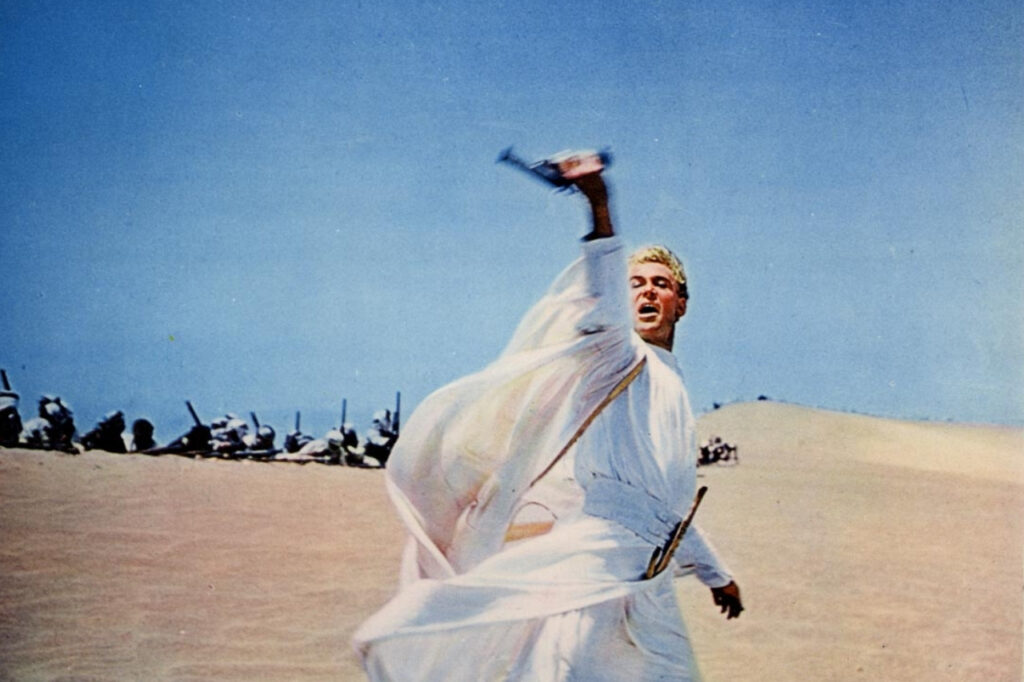
Lawrence of Arabia (1962)

    • Director: David Lean

    • The Pitch: T.E. Lawrence’s controversial involvement with the Arab revolt against the Ottoman Empire during World War I.

    • Why It’s Essential: Freddie Young’s breathtaking 70mm desert vistas, majestic scale, and deep psychological character fracturing.

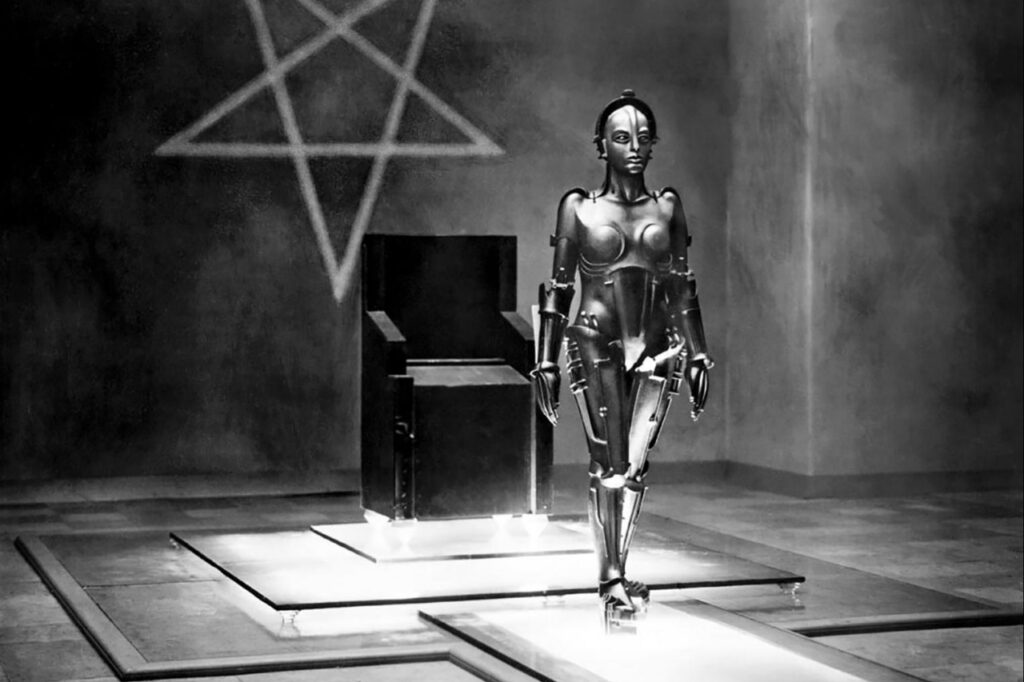
Metropolis (1927)

  • Director: Fritz Lang

  • The Pitch: In a futuristic urban dystopia split between luxurious worker-free towers and subterranean slums, a worker’s son falls for a prophetic revolutionary.

  • Why It’s Essential: Expressionist set design, pioneering sci-fi visual effects, and iconic robotic transformations.

18
19

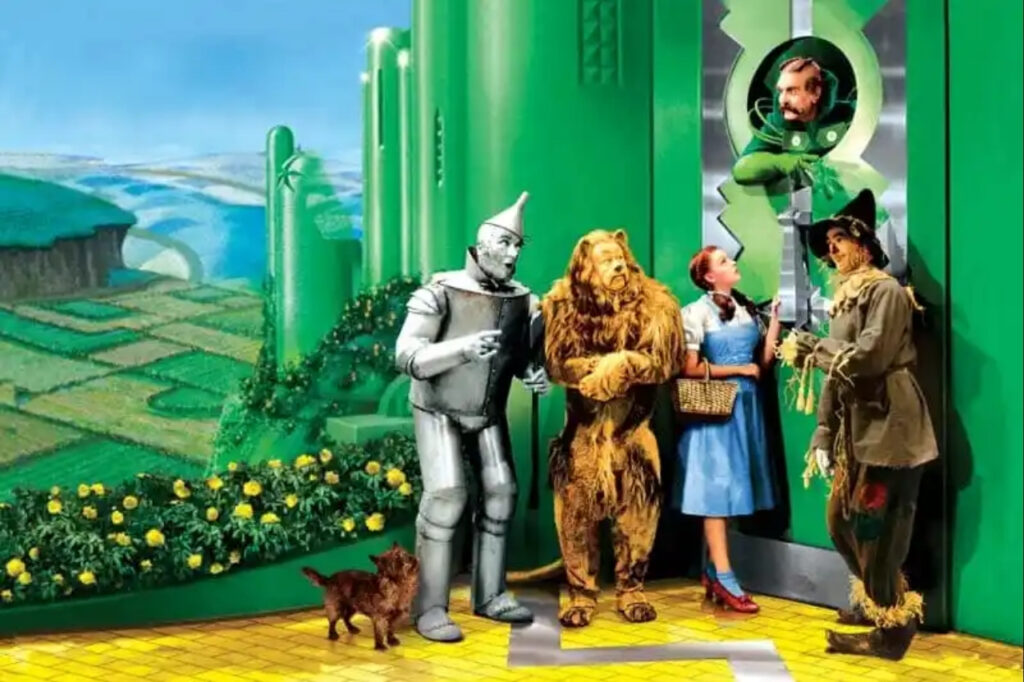
The Wizard of Oz (1939)

  • Director: Victor Fleming

  • The Pitch: A young Kansas farm girl is swept away by a tornado to a magical land of witches, munchkins, and a yellow brick road.

  • Why It’s Essential: Technicolor breakthrough narrative transition, enduring folklore architecture, and timeless musical myth-making.

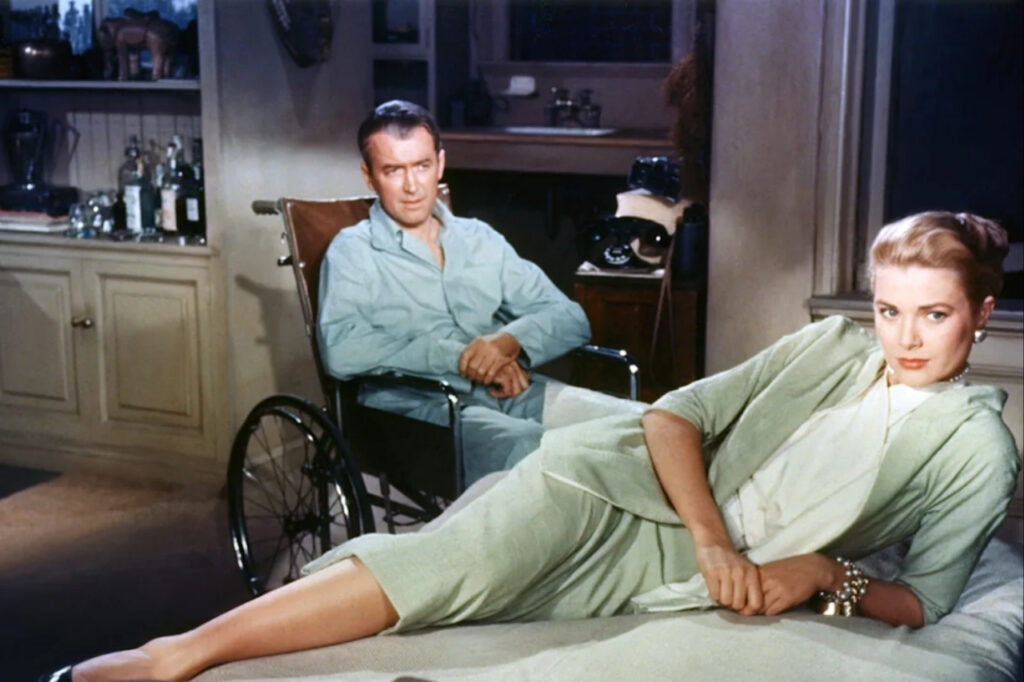
Rear Window (1954)

  • Director: Alfred Hitchcock

  • The Pitch: A wheelchair-bound photographer spying on his Greenwich Village neighbors becomes convinced one of them has committed murder.

  • Why It’s Essential: Masterclass in single-perspective spatial voyeurism, elaborate courtyard set construction, and cinematic suspense.

20
21

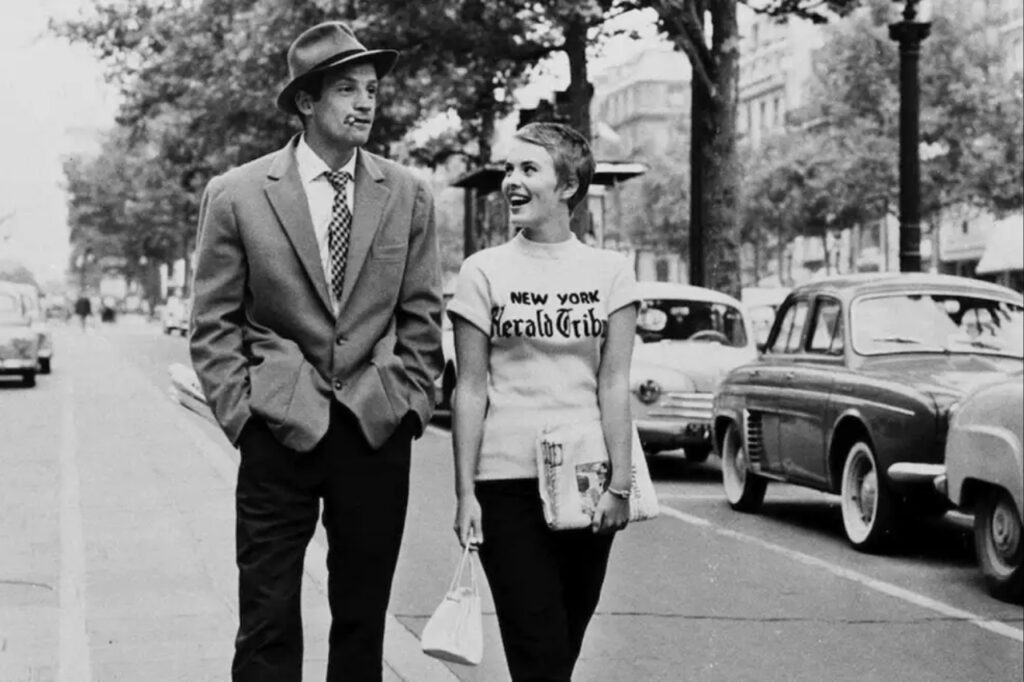
Breathless (À bout de souffle, 1960)

  • Director: Jean-Luc Godard

  • The Pitch: A petty Parisian car thief on the run romances an American journalism student while ducking the police.

  • Why It’s Essential: Disruptive jump cuts, handheld camera freedom, jazz energy, and the birth of the French New Wave.

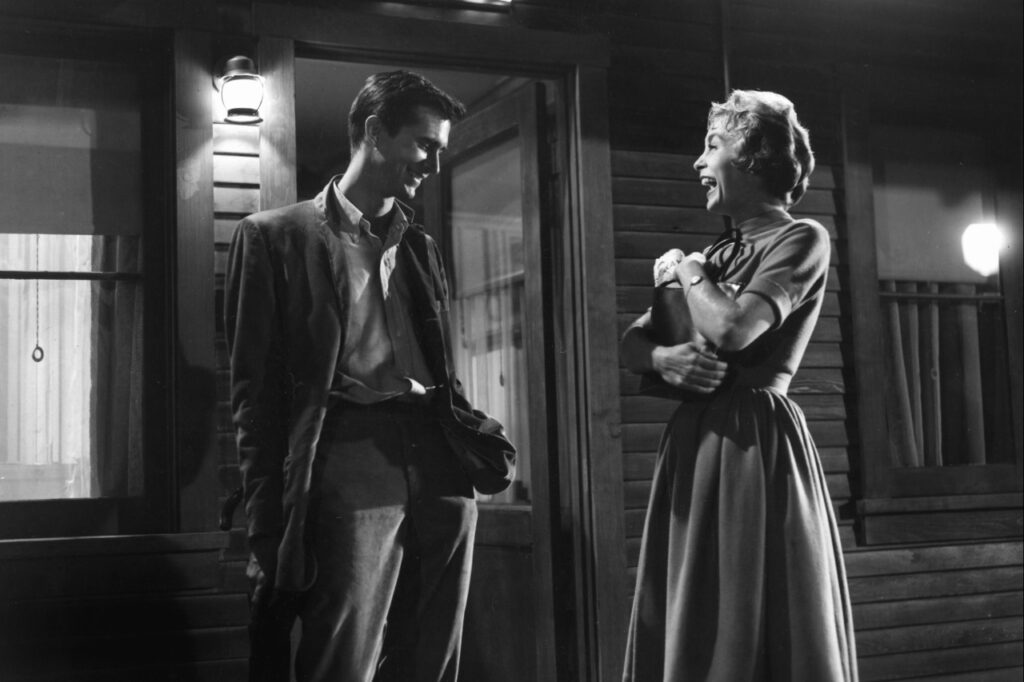
Psycho (1960)

  • Director: Alfred Hitchcock

  • The Pitch: A secretary on the run from embezzled cash checks into a secluded roadside motel run by a quiet man and his overbearing mother.

  • Why It’s Essential: Rewrote structural narrative rules mid-film, Bernard Herrmann’s shrieking violin score, and shower-scene editing precision.

22
23

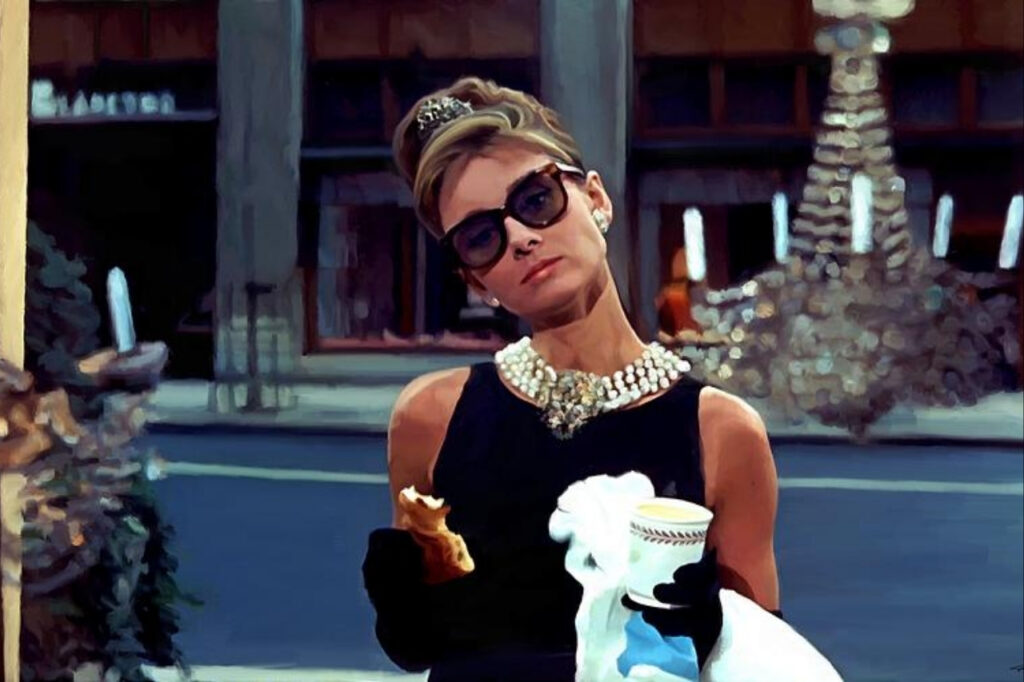
Breakfast at Tiffany's (1961)

  • Director: Blake Edwards

  • The Pitch: A eccentric, high-society Manhattan escort crosses paths with a struggling young writer who moves into her apartment building.

  • Why It’s Essential: Henry Mancini’s timeless musical score, iconic New York aesthetic, and Audrey Hepburn’s definitive cultural footprint.

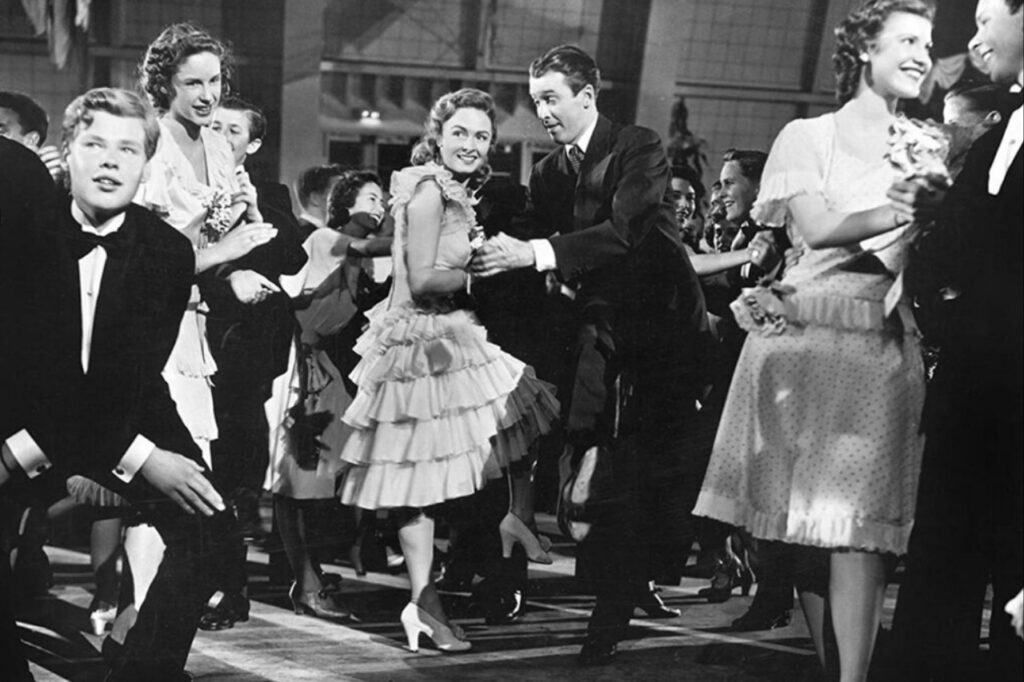
It's a Wonderful Life (1946)

  • Director: Frank Capra

  • The Pitch: An angel helps a compassionate but despairing businessman by showing what life would have been like if he never existed.

  • Why It’s Essential: Masterful emotional resonance, dark existential midpoint turning into profound human affirmation.

24
25

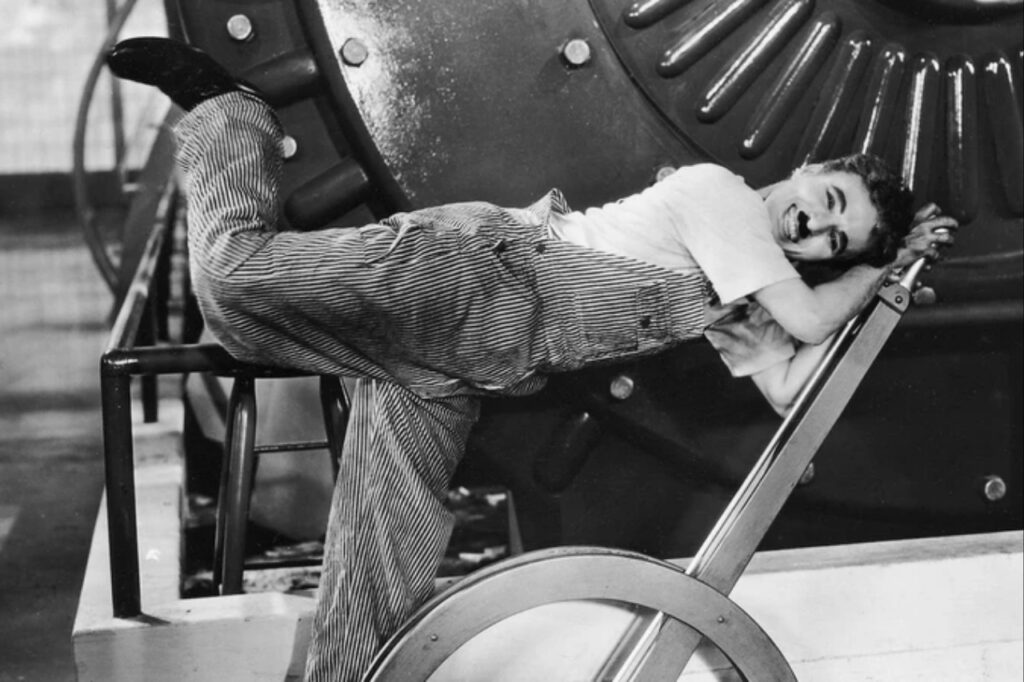
Modern Times (1936)

  • Director: Charlie Chaplin

  • The Pitch: The Tramp struggles to survive in the frantic, mechanized world of the modern industrial age alongside a young orphan woman.

  • Why It’s Essential: Brilliant physical comedy masking biting socio-economic critique of Fordist assembly lines.

About

Films to Films is a digital publication dedicated to in-dependent movie reviews, box office insights, historical milestones, and cinematic analysis for true film lovers.

Our construction business is dedicated to delivering high-quality, innovative building solutions, every project is completed

Contact

filmstofilmsinfo@gmail.com

Copyright © 2026 All Right Reserved Films to Films

Leave a Comment

Your email address will not be published. Required fields are marked *

Scroll to Top