
The Controversies & Scandals in Oscar History
Step into the vault of cinema’s most volatile cultural flashpoints. This archive dissects the red-carpet earthquakes, political standoffs, ethical reckonings, and voting-body upheavals that transformed live television broadcasts into global battlegrounds of public opinion.
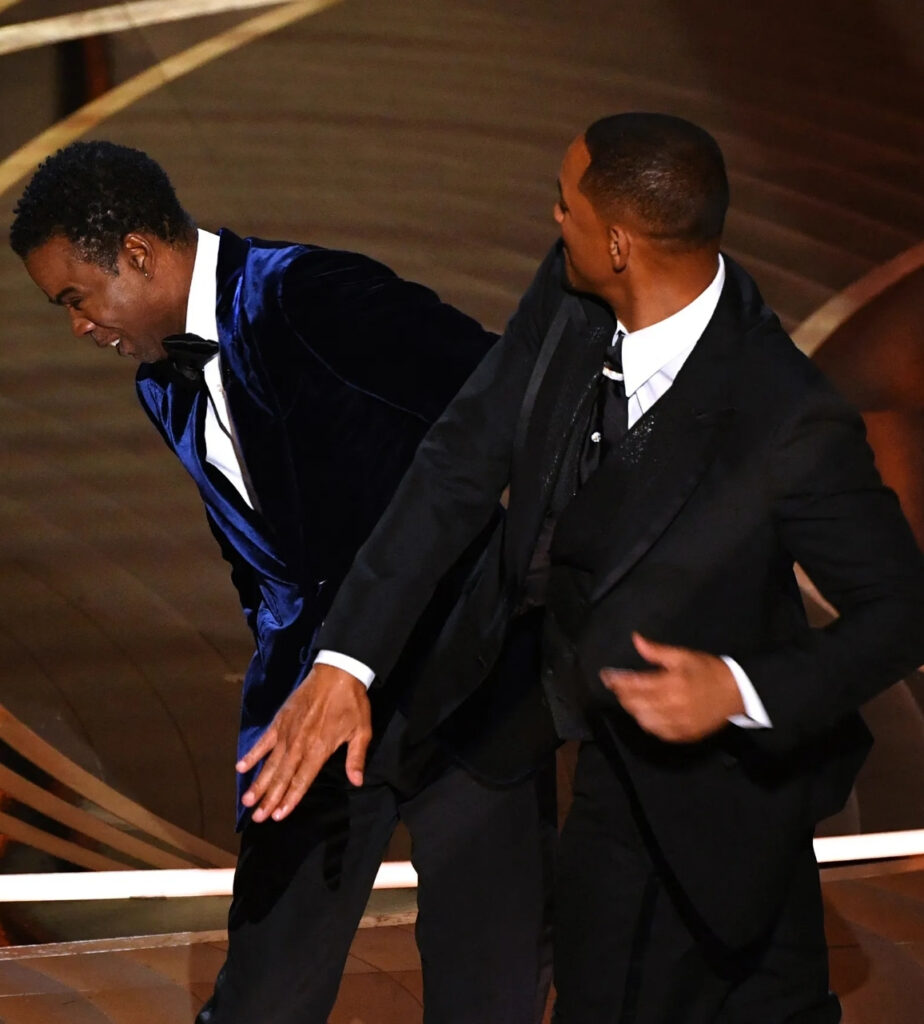
The Slap Heard Around the World: Will Smith and Chris Rock
What Happened: During the live telecast of the 94th Academy Awards, presenter Chris Rock made an off-cuff joke comparing Jada Pinkett Smith’s shaved head (due to alopecia) to G.I. Jane. Will Smith walked from his front-row seat onto the stage, delivered an open-handed slap to Rock’s face, returned to his seat, and twice shouted, “Keep my wife’s name out your fucking mouth!” Less than an hour later, Smith won the Best Actor Oscar for King Richard, delivering a tearful acceptance speech addressing protection and family.
Why It Mattered: This rupture shattered the illusion of polished red-carpet decorum, plunging live television into real-time moral and physical panic. It forced an immediate global reckoning inside media ecosystems regarding the boundaries of roast-style comedy, the normalization of physical retaliation at public galas, intersectional dignity, and accountability for high-profile talent during career-defining nights.
When It Happened: March 27, 2022 (94th Academy Awards).
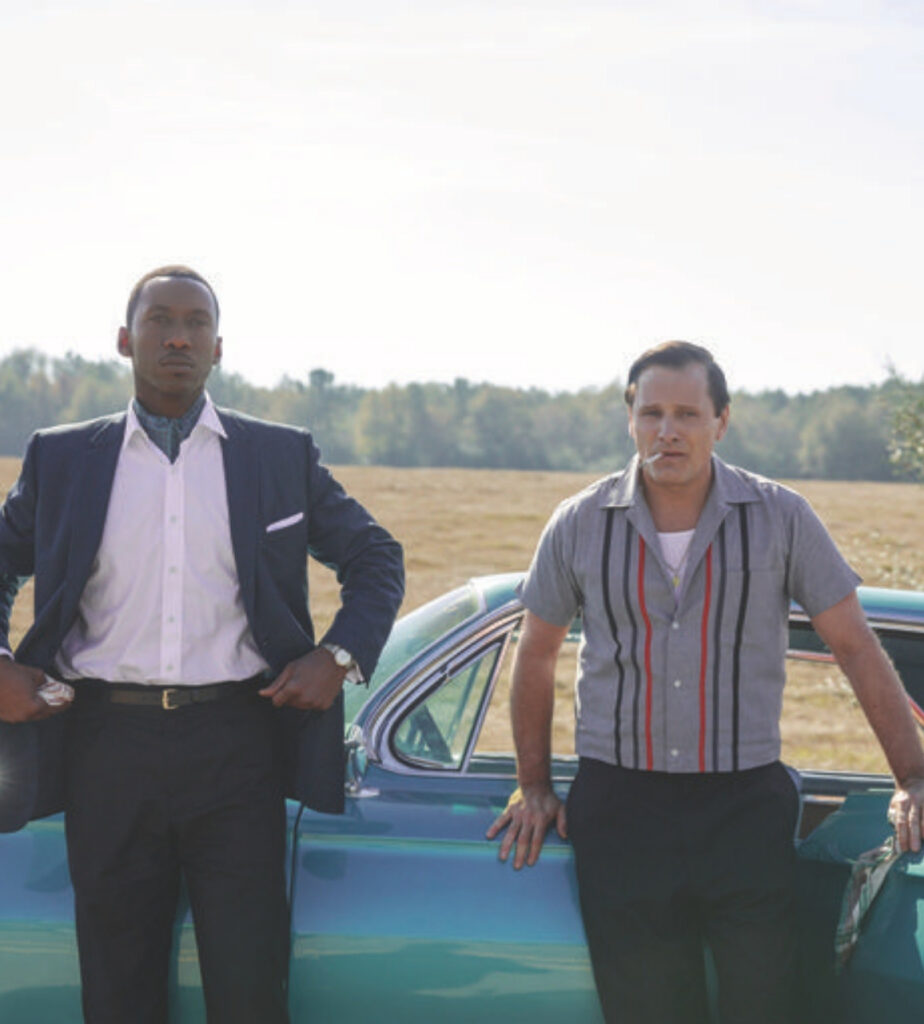
The Green Book Best Picture Backlash
What Happened: Peter Farrelly’s biographical comedy-drama Green Book, following an Italian-American bouncer driving an African-American classical pianist through the segregated Deep South, won Best Picture. Immediately, real-life family members of Dr. Don Shirley publicly contested the film’s historical framing, characterizing it as a fabrication of their relative’s isolation and portraying the driver as the emotional core. Critics similarly targeted its structural reliance on comforting racial dynamics.
Why It Mattered: The win laid bare an ideological chasm within the expanding Academy membership. While traditionalist voters embraced a warm, accessible reconciliation fable, critical culture writers and progressive branches viewed the choice as a regression to tone-deaf “white savior” comfort food that bypassed systemic structural violence in favor of interpersonal feel-good optics.
When It Happened: February 24, 2019 (91st Academy Awards).
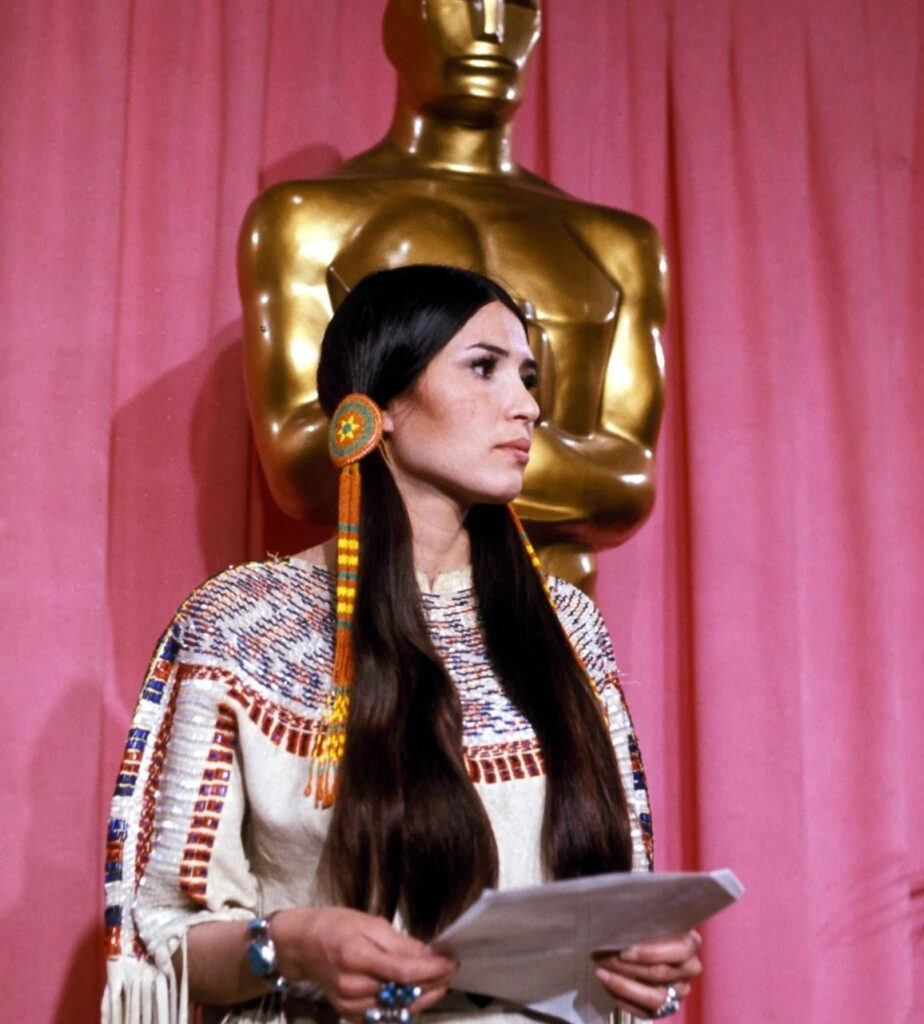
Marlon Brando’s Native American Boycott
What Happened: Declining to play the industry game, Marlon Brando boycotted the 45th Academy Awards after winning Best Actor for The Godfather. Instead of attending, he dispatched Sacheen Littlefeather—an Apache/Yaqui activist—to the stage. Wearing traditional Native dress, she read a truncated statement declining the statuette due to Hollywood and television’s dehumanizing depiction and treatment of Native American people, meeting a mix of boos and applause in the room.
Why It Mattered: It established the modern blueprint for weaponizing the global prestige stage as a high-stakes political platform. Though establishment Hollywood reacted with hostility and public dismissal of Littlefeather at the time, decades of retrospective evaluation transformed the protest into a foundational watershed for institutional critique and marginalized representation.
When It Happened: March 27, 1973 (45th Academy Awards).
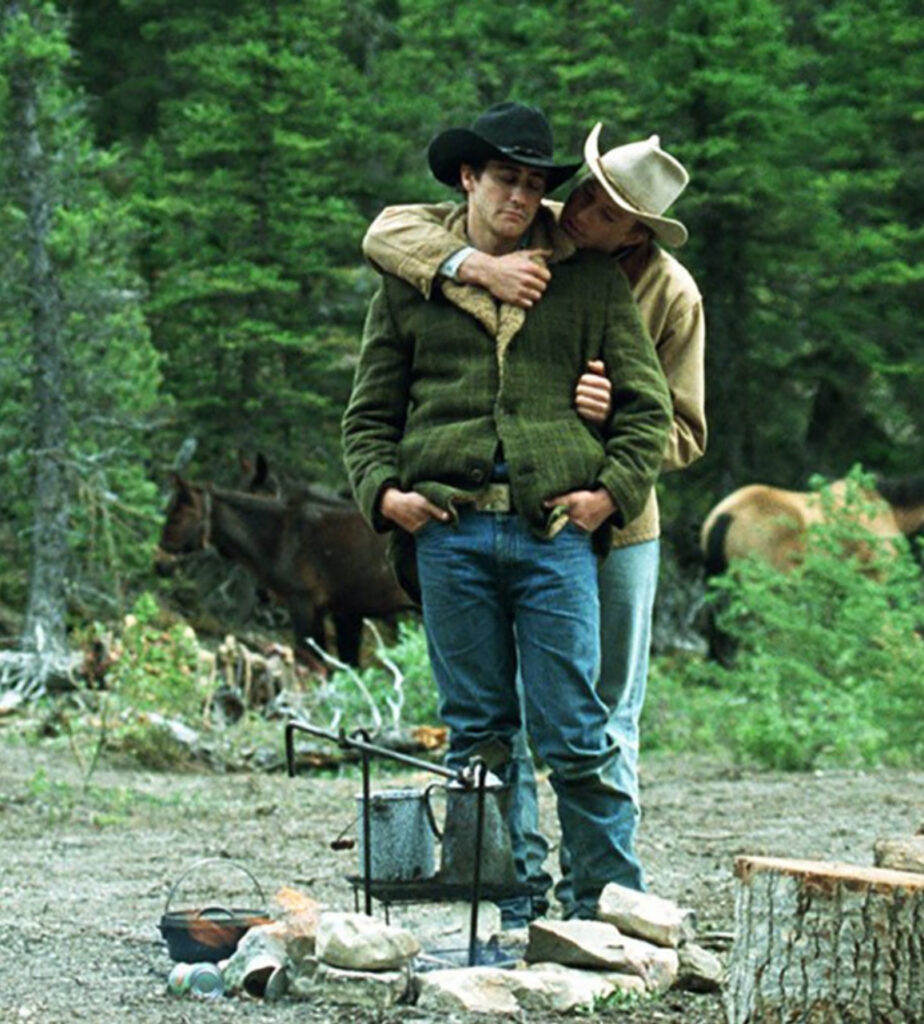
Crash over Brokeback Mountain: The Culture-War Shock
What Happened: Ang Lee’s tender, critically dominant frontier romance Brokeback Mountain entered the 78th Academy Awards as the clear statistical and critical favorite, only to lose the Best Picture prize to Paul Haggis’s multi-linear Los Angeles racial-tangle drama Crash.
Why It Mattered: Widely interpreted by cultural analysts as a referendum on voter comfort levels with queer intimacy at the highest tier of prestige cinema, the upset became a permanent case study in how risk-averse voting bodies retreat toward didactic, message-driven ensemble dramas when confronted with counter-cultural romantic paradigms.
When It Happened: March 5, 2006 (78th Academy Awards).
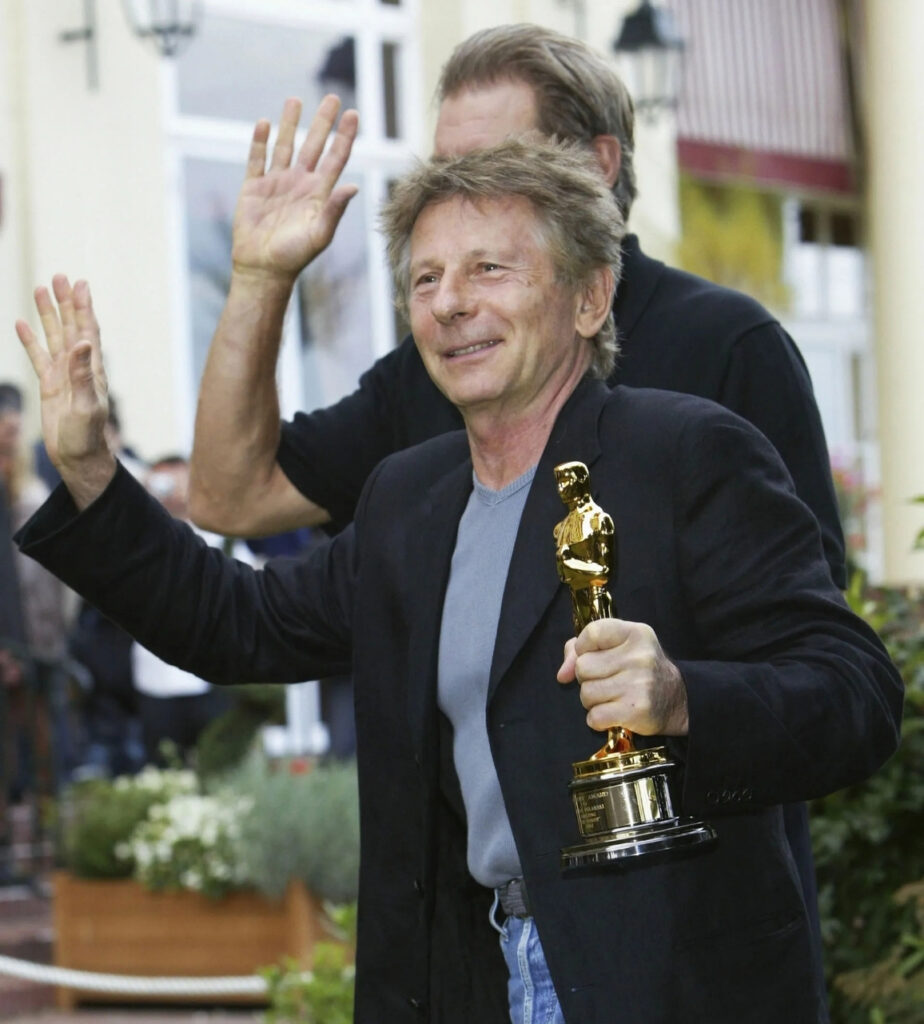
Roman Polanski’s Best Director Win and the Standing Ovation
What Happened: Fugitive director Roman Polanski won Best Director for The Pianist. Because he remained an international fugitive fleeing statutory rape conviction sentencing in the U.S. since 1978, he could not travel to collect the award. Harrison Ford accepted on his behalf, followed by a thunderous, standing-room-only ovation from a massive segment of the Dolby/Kodak Theatre audience.
Why It Mattered: It exposed a glaring ethical blind spot in how auteur worship supersedes criminal accountability within elite peer circles. The image of Hollywood legends standing to applaud an absentee felon convicted of abusing a minor remains a haunting benchmark of institutional hypocrisy during awards history.
When It Happened: March 23, 2003 (75th Academy Awards).
About
Films to Films is a digital publication dedicated to in-dependent movie reviews, box office insights, historical milestones, and cinematic analysis for true film lovers.
Our construction business is dedicated to delivering high-quality, innovative building solutions, every project is completed
Quick Links
Contact
filmstofilmsinfo@gmail.com
Copyright © 2026 All Right Reserved Films to Films